New to Spearfishing
Start with swimming ability, water comfort, equipment, and what an operator expects from first-time guests.
Read the Beginner Guide →
Compare Florida Keys trip environments, dive methods, experience levels, species, seasonal conditions, and the questions that matter before you choose a charter.
Reef, wreck, patch reef, ledge, and bluewater describe environments. Freedive and scuba describe methods. Lionfish is a target-specific trip.
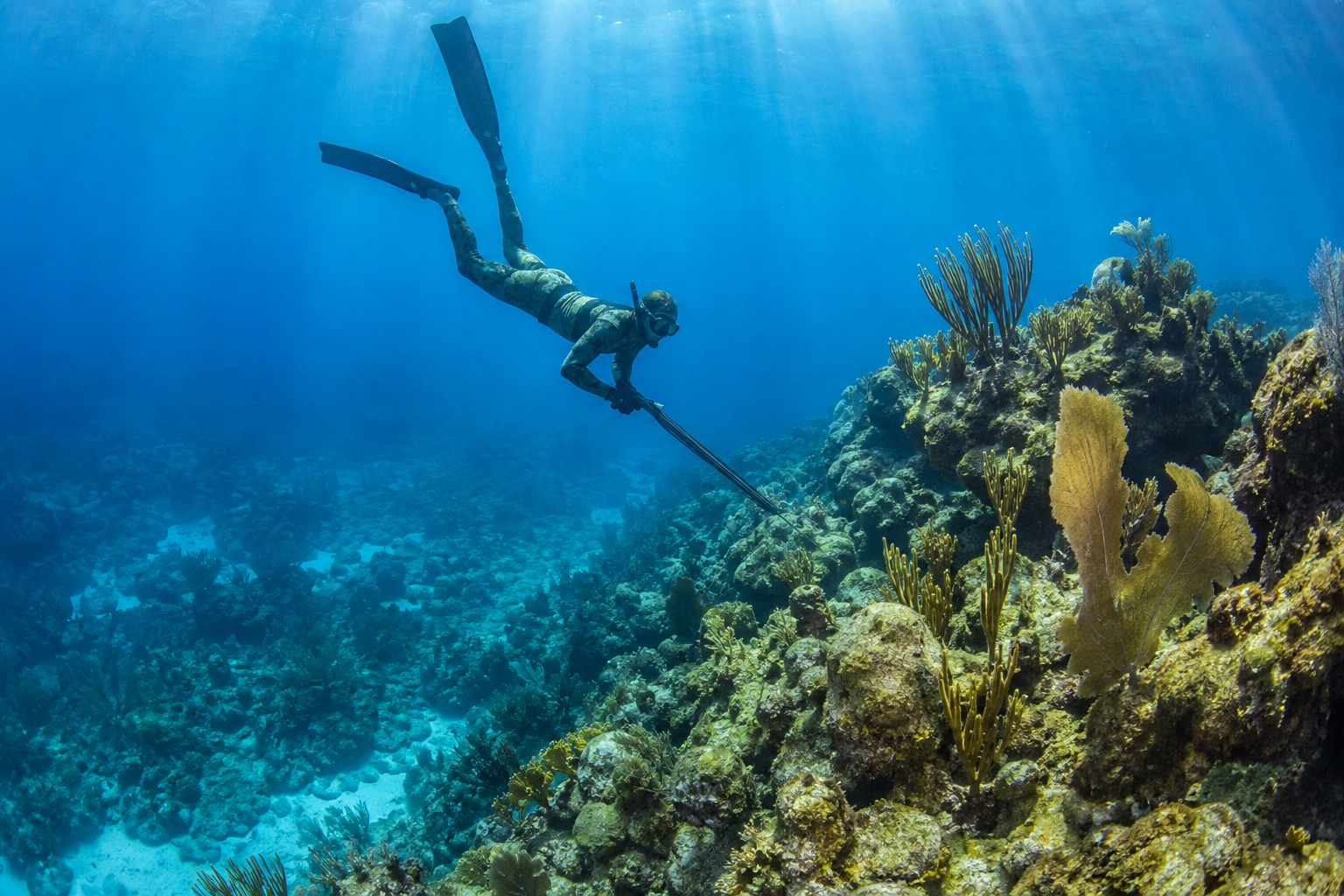
Coral heads, edges, and mixed bottom where depth, visibility, protected areas, and legal harvest matter.
Reef Guide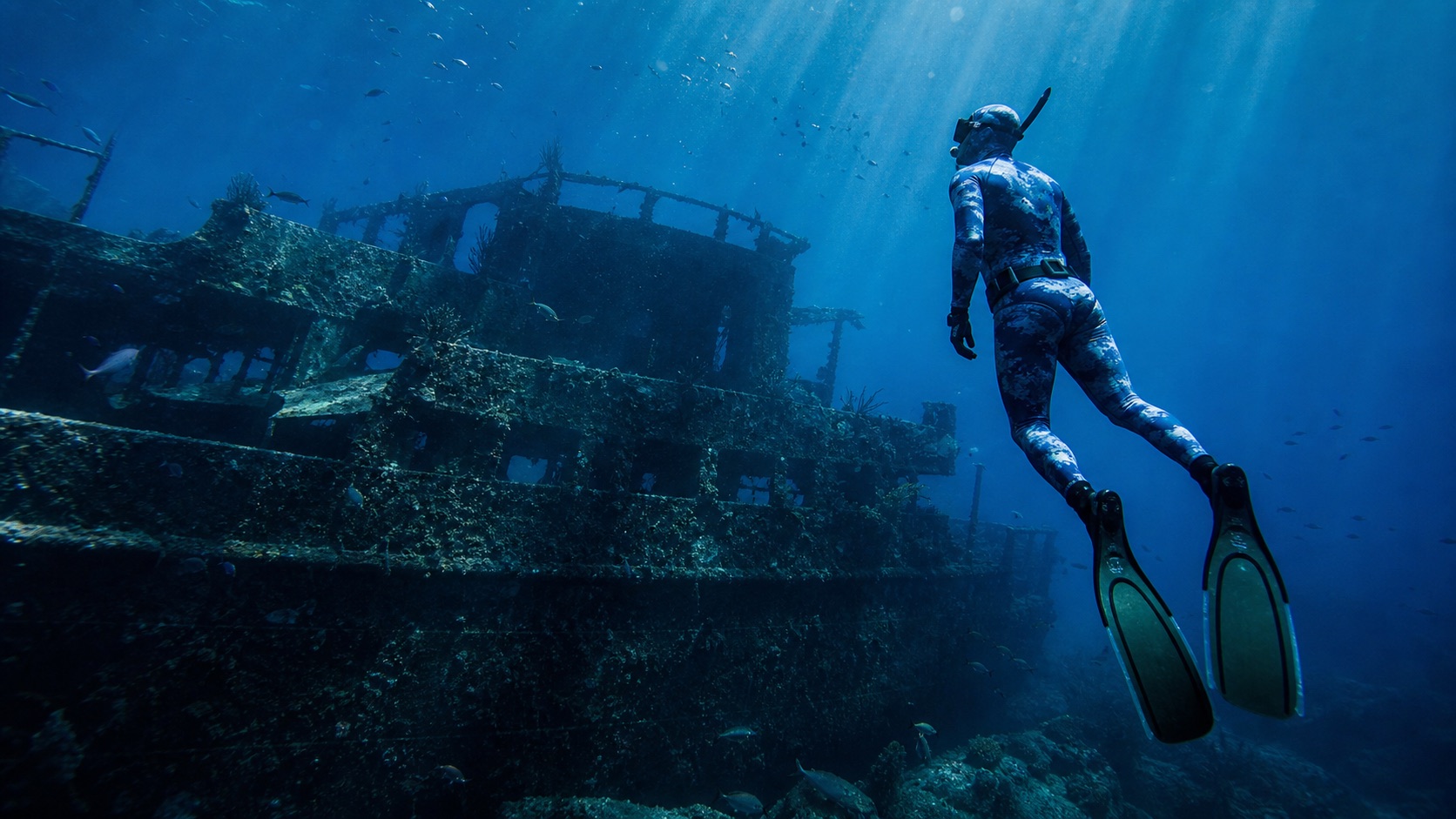
Deeper structure, current, navigation, and boat traffic often require more advanced planning.
Wreck Guide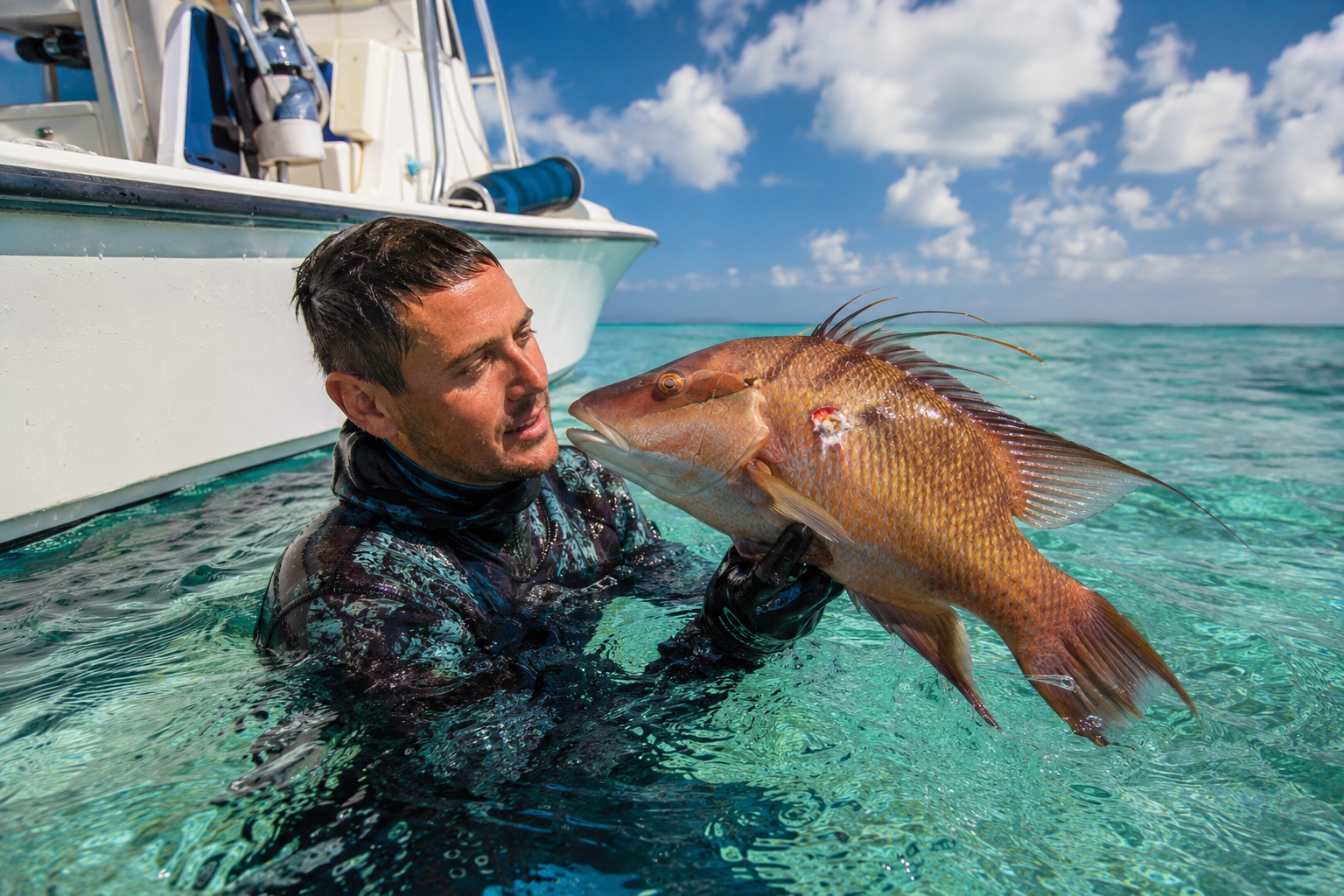
Scattered shallow reef structure with varied goals, rules, visibility, and current.
Patch Reef Guide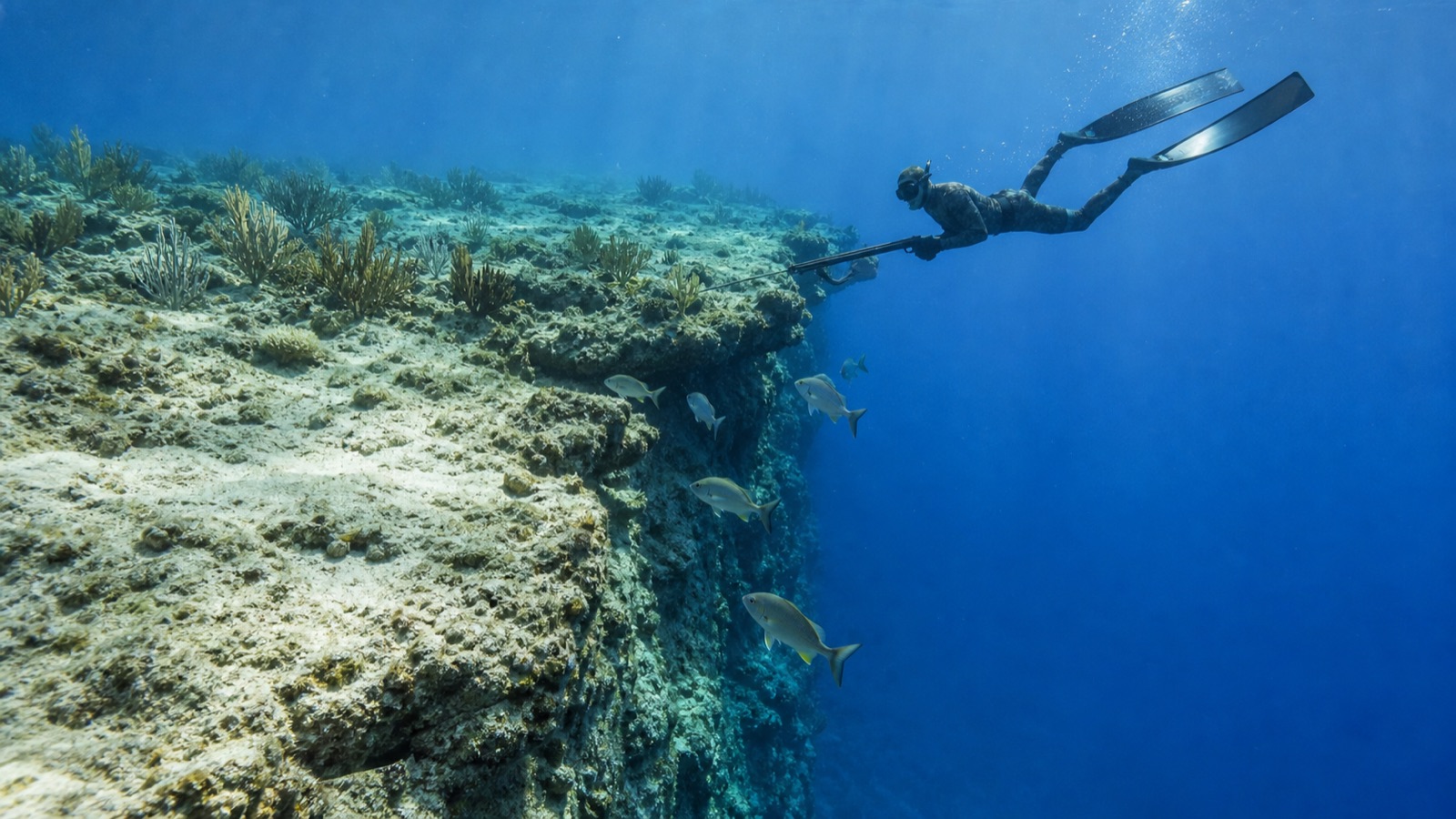
Drop-offs and ambush points where current, depth, and bottom relief shape the approach.
Ledge Guide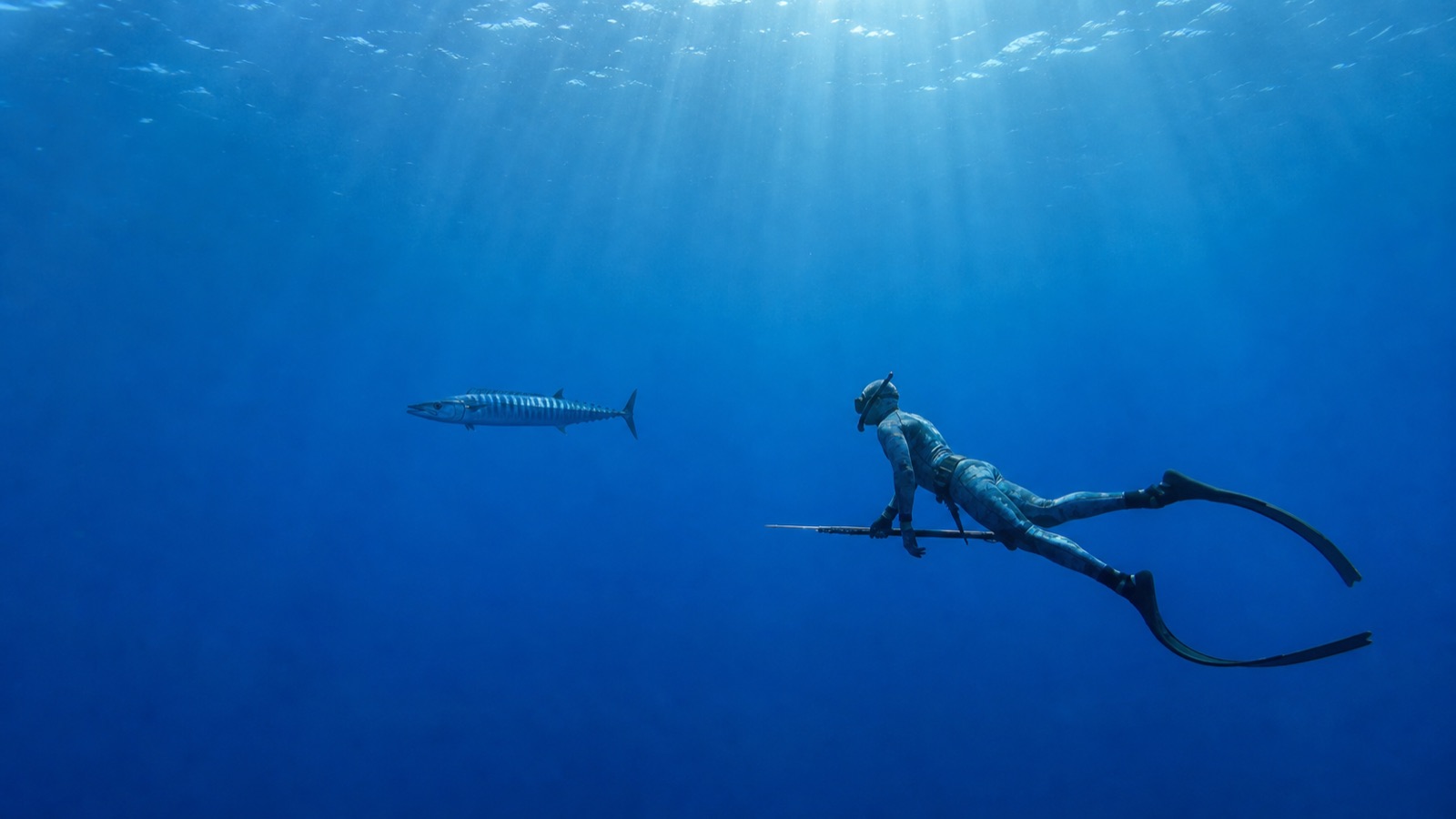
Open-water hunting with pelagic context, exposure, and highly variable conditions.
Bluewater Guide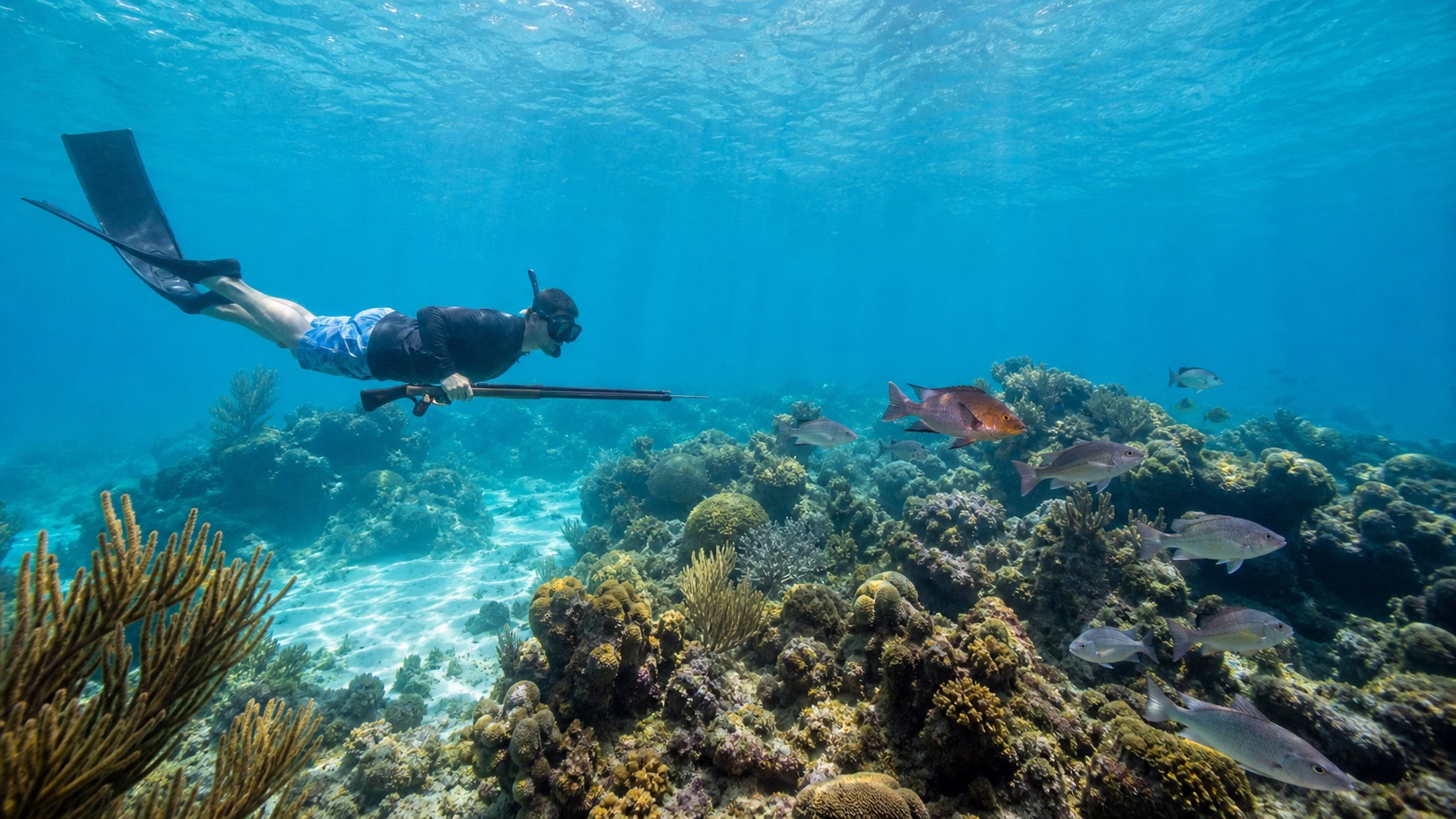
Breath-hold diving where water comfort, equalization, recovery, and buddy discipline matter.
Freedive Guide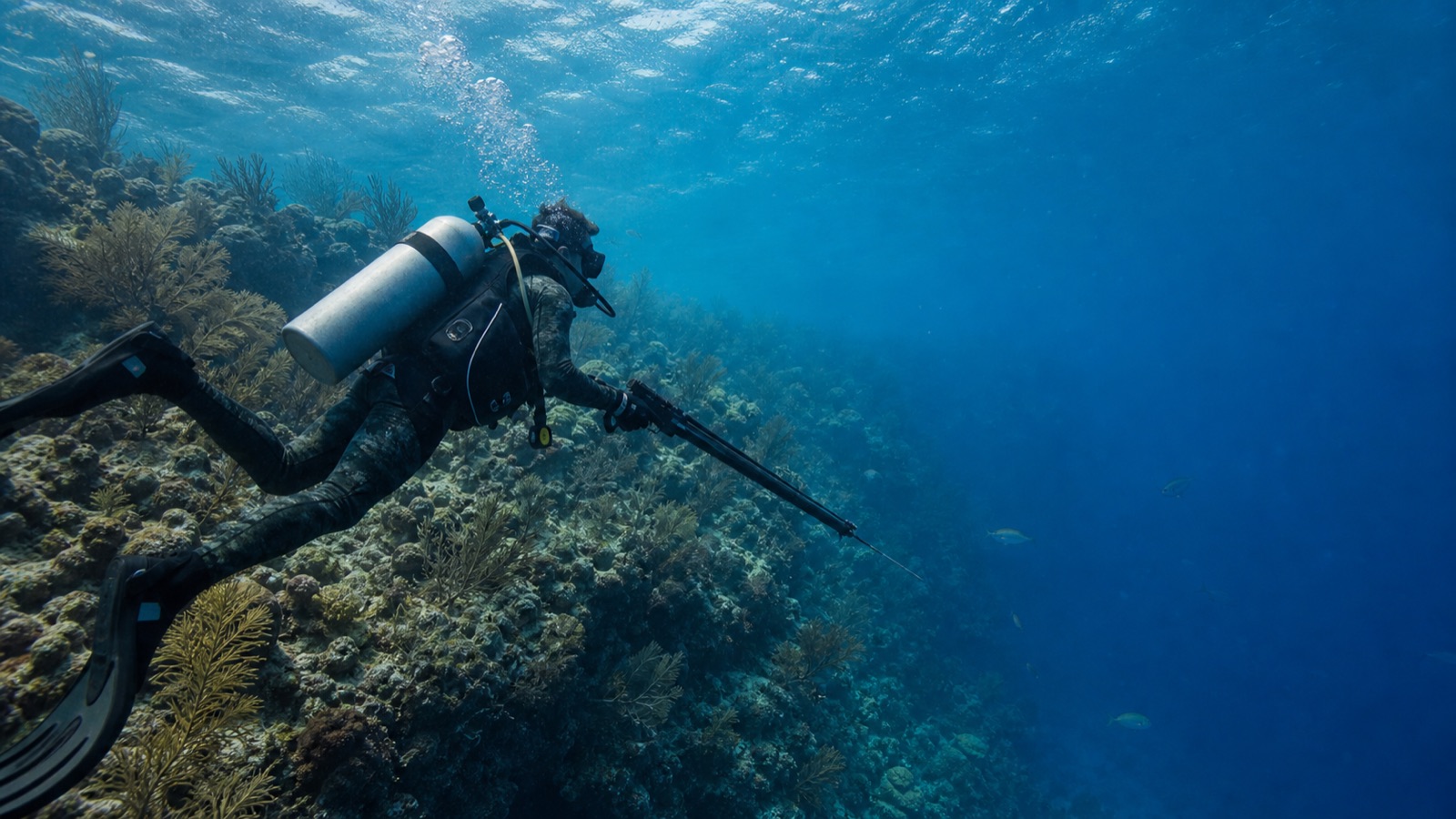
Certification, equipment, bottom time, depth, and operator policy determine trip fit.
Scuba Guide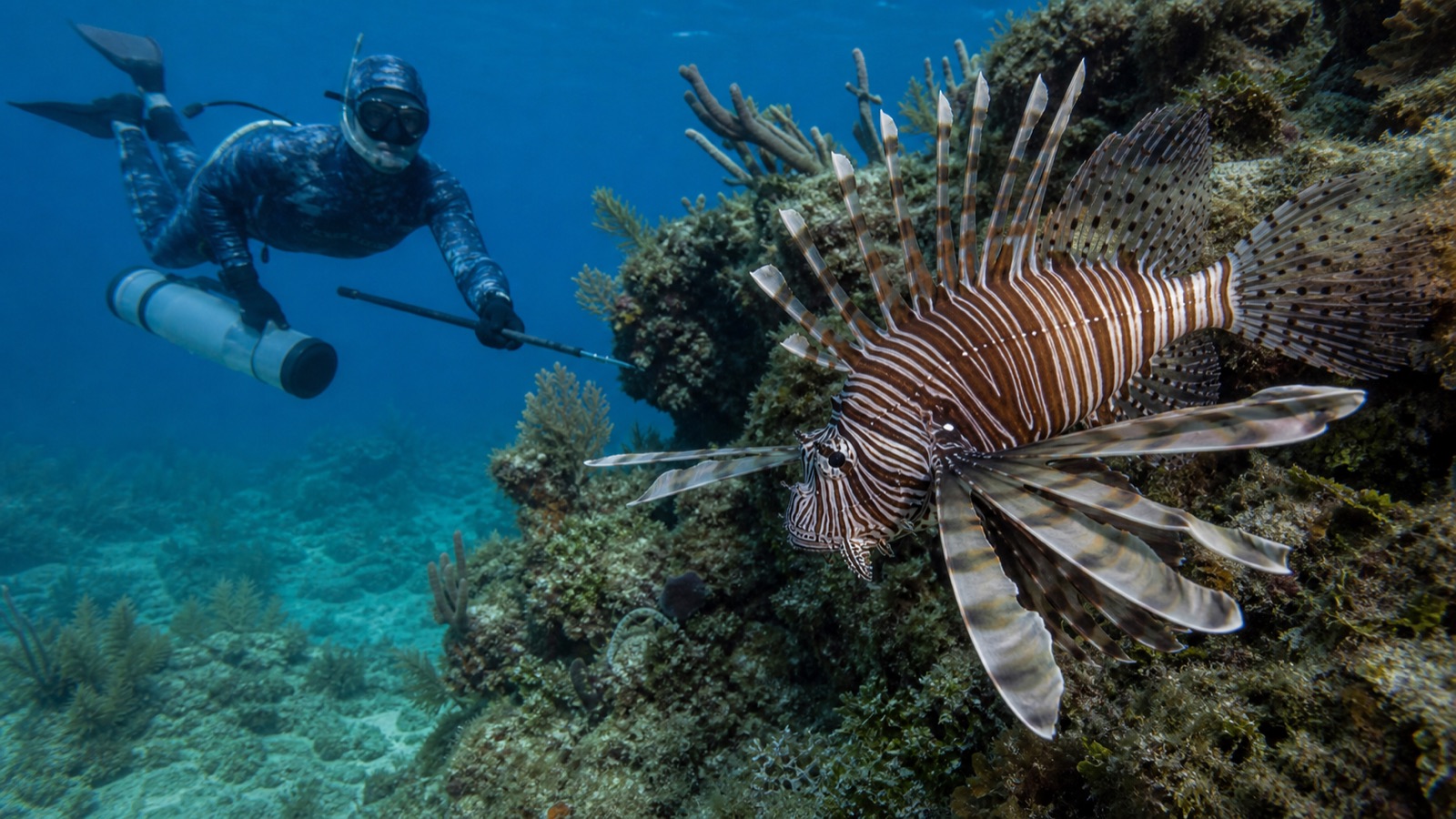
A target-specific harvest trip that requires safe handling and current rule awareness.
Lionfish GuideThe right trip changes with conditions, diver ability, current rules, and the operator’s available methods. A productive reef day and a suitable wreck day may require very different plans.
Sea state, surface conditions, water clarity, and current affect access and comfort.
Patch reefs, ledges, wrecks, and bluewater demand different preparation and skills.
Protected areas, legal harvest, size limits, and seasons can change the available plan.
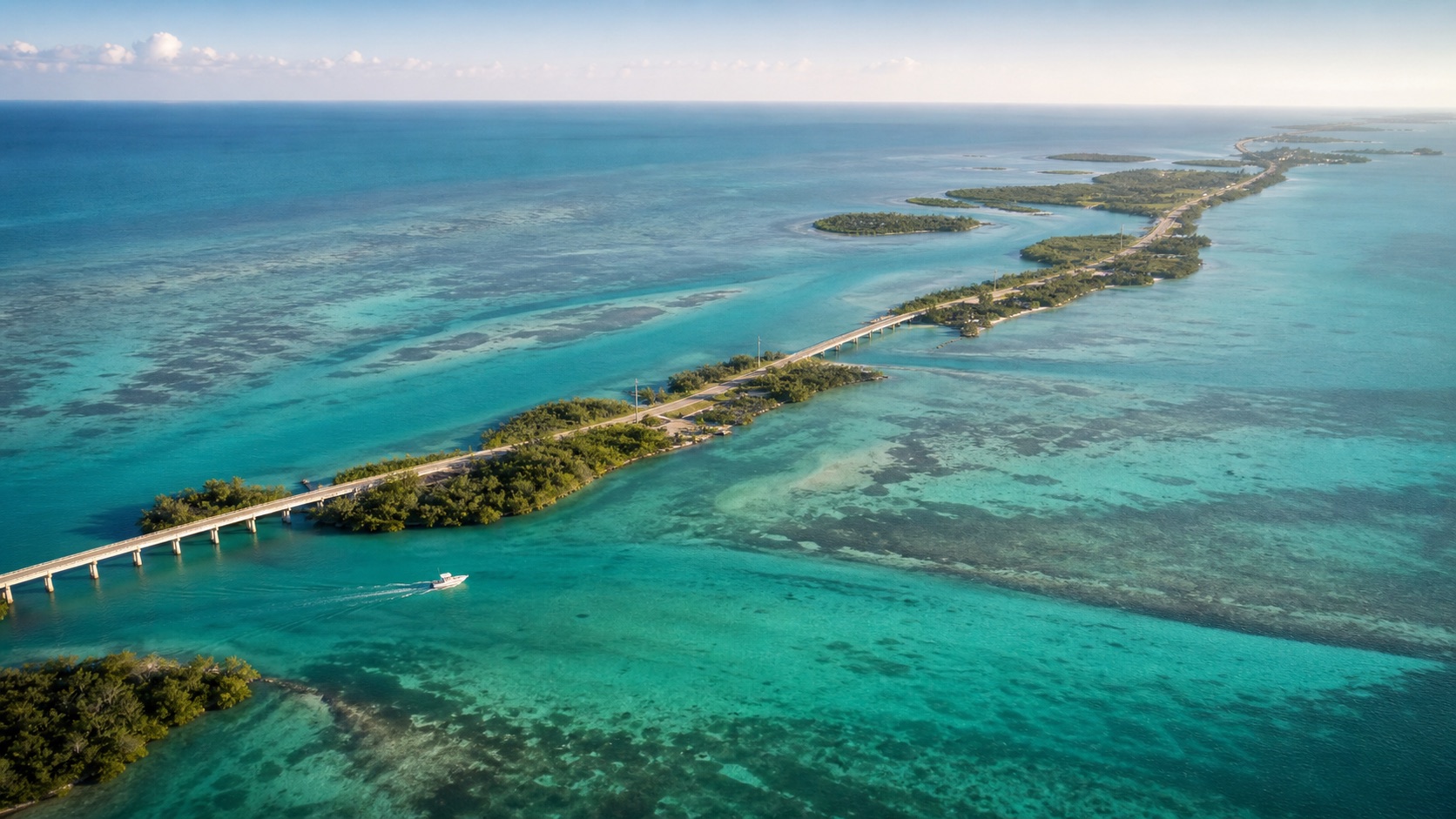
Species availability, seasonal patterns, protected areas, and harvest rules can change the questions your group should ask before choosing a trip.
Find practical guidance on target fish, seasonal conditions, gear, and Florida regulations before your group chooses a trip.
Compare the operator’s supported trip environments and dive methods, experience expectations, safety procedures, equipment, weather policies, protected areas, and current rules before you commit.
Read the Charter Selection GuideAsk whether the operator supports freedive, scuba, or both.
Include swimming ability, certification, recent dive activity, and water comfort.
Confirm included equipment, safety expectations, weather changes, and cancellation terms.
Ask how protected zones, seasons, and harvest rules affect the proposed trip.
Use focused guides to understand timing, equipment, regulations, and the questions that affect trip fit.
See how season, conditions, and visibility influence the day.
Read the Seasonal Guide →Review the equipment questions that affect comfort and safety.
Review Equipment →Compare communication, safety expectations, and practical details.
Read the Selection Guide →Some trips can suit strong beginners, but swimming ability, water comfort, conditions, and the operator’s policies all matter.
The best method depends on certification, experience, depth, comfort, equipment, and the type of structure you want to explore.
Group ability, wind, current, visibility, depth, structure, regulations, and the operator’s methods can all change the plan.
Confirm supported dive methods, trip requirements, included gear, weather policies, protected areas, and current harvest rules.
Compare trip type, experience, conditions, and current regulations before contacting an operator.
Share accurate trip types, service areas, experience requirements, equipment details, and policies for profile consideration as this resource grows.