
Plan Around
Depth, current, visibility, structure, and seasonal conditions.
Islamorada Spearfishing Trip Guide
Understand the water, structure, conditions, equipment, and experience that shape this Florida Keys spearfishing trip.
Plan Around
Depth, current, visibility, structure, and seasonal conditions.
Experience Fit
Match the trip to the least experienced diver in the group.
Safety First
Review buddy practices, equipment, access, and changing conditions.
Verify Before You Go
Confirm current Florida and federal rules with the proper authority.
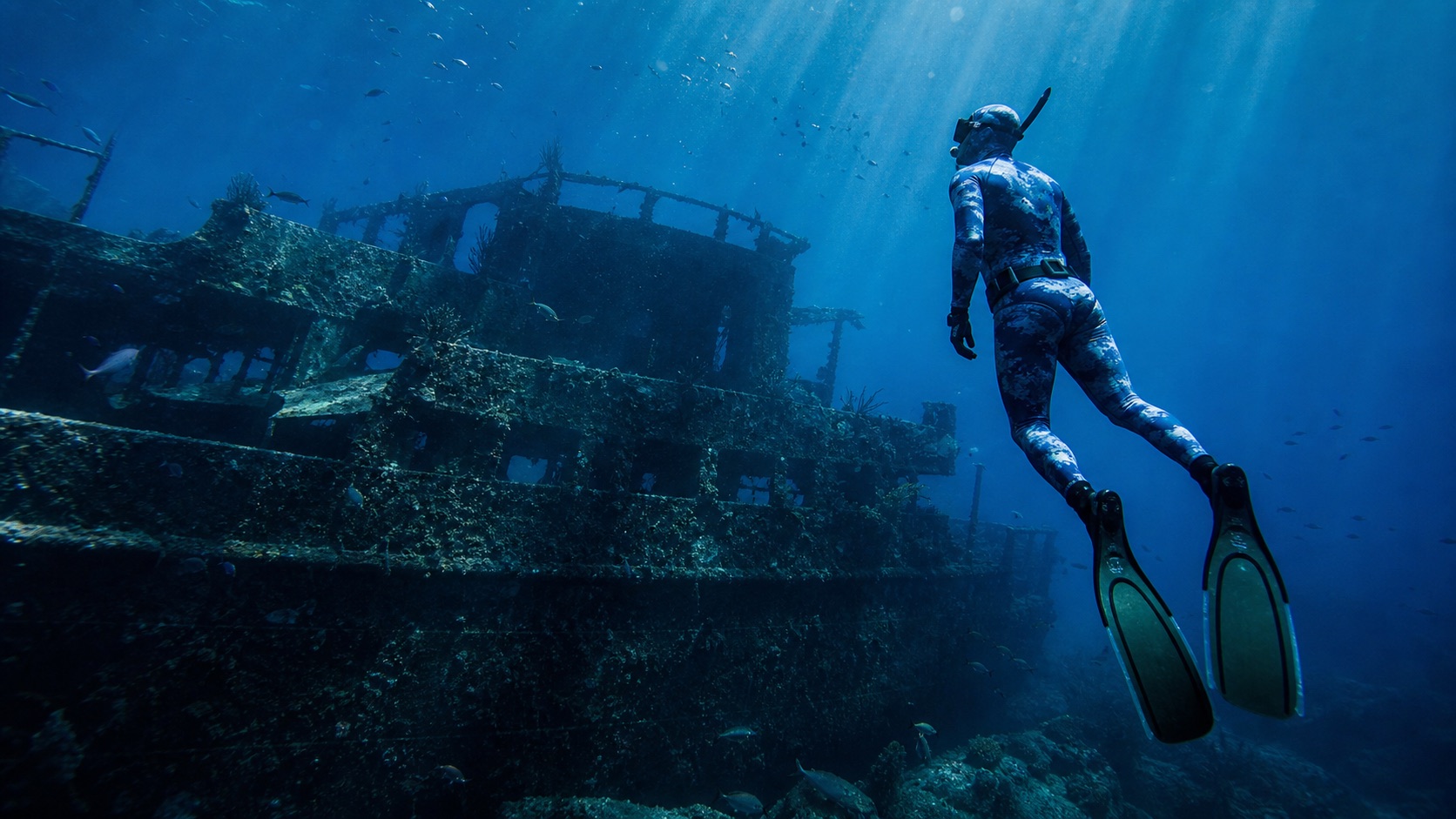
Wreck spearfishing in Islamorada is one of the more exciting and demanding ways to experience the Florida Keys. Wrecks create structure, current breaks, shelter, and feeding opportunities for fish, which can make them productive places to dive when conditions line up.
Compared to shallow reef or patch reef spearfishing, wreck spearfishing is usually better suited for experienced divers. Depth, current, visibility, boat traffic, descent planning, and safe fish handling all matter. A good wreck spearfishing charter is not just looking for any wreck. The goal is to choose the right structure for the conditions, the target species, and the ability level of the divers on board.
Islamorada and the surrounding Upper Keys give divers access to a variety of reef systems, ledges, artificial structure, and nearby wreck diving opportunities. For serious spearos, booking with a local charter that understands wreck conditions can make a major difference.
Private wreck spearfishing charters are often the best choice for divers who want a focused, structure-based trip. A private boat allows the captain to plan around your group’s experience level, preferred dive style, depth range, target species, and the day’s conditions.
A private wreck spearfishing charter may be a good fit for:
Wreck trips are usually more specialized than a casual fishing or snorkeling trip. The captain needs to understand boat positioning, diver safety, legal harvest, and how current and visibility affect a specific site.
Wrecks can attract fish because they create structure in otherwise open bottom. Over time, wrecks may hold bait, coral growth, small reef fish, and larger predators. Fish use wrecks for cover, feeding, current breaks, and ambush points.
Depending on the location and season, wrecks may attract:
Not every wreck is productive every day. Fishing pressure, current, visibility, water temperature, bait movement, and regulations all affect what a wreck may hold.
Wreck spearfishing and reef spearfishing can both be productive, but they are very different styles of diving.
Reef spearfishing often involves working reef edges, coral heads, patch reefs, and hard-bottom areas. It may be more approachable for intermediate divers or strong beginners depending on depth and conditions.
Wreck spearfishing usually involves more concentrated structure and may require better comfort with depth, current, descent lines, and boat traffic. Fish may hold tight to the structure or move around the edges of the wreck depending on current and pressure.
For many advanced spearos, wrecks are appealing because they can hold larger fish and more defined structure. For newer divers, wrecks may be too challenging unless conditions are calm and the site is appropriate.
Many wreck spearfishing trips are better suited for scuba divers because wrecks are often deeper and require more bottom time. Scuba allows divers to work the structure more carefully, check edges and openings from a safe distance, and manage a longer dive plan.
Scuba wreck spearfishing may be a good option for certified divers who are comfortable with:
Spearfishing adds task loading to a scuba dive. Divers should already be confident with their basic dive skills before adding a speargun or pole spear.
Freedive wreck spearfishing is possible in some situations, but it is usually best for advanced freedivers. The right wreck must match the diver’s ability, the depth, the current, and the visibility.
Freedivers need to be disciplined and realistic. Wrecks can tempt divers to push deeper or stay down longer than they should. Safe buddy practices, proper recovery, and conservative dive planning are essential.
Freedive wreck spearfishing may be a good fit for:
For many groups, reefs, patch reefs, or shallower ledges are a better freedive option than deeper wrecks.
Target species vary by season, depth, location, pressure, and regulations. Some species may be legal during certain times of year and closed during others. Size limits, bag limits, and protected areas may also apply.
Common species associated with wreck spearfishing in the Florida Keys may include:
A responsible Islamorada wreck spearfishing charter should help divers understand what is legal, what is in season, and what is realistic for the day.
Wreck spearfishing requires strong safety awareness. Divers are dealing with structure, current, depth, boat traffic, fishing lines, sharp metal, limited visibility, and spearfishing equipment.
Important safety considerations include:
The best wreck spearfishing charters prioritize safe planning over forcing a specific spot.
Wreck spearfishing depends heavily on conditions. A wreck that is manageable one day may be difficult or unsafe the next. Current, wind, seas, and visibility can change how a site dives.
Before choosing a wreck trip, a local captain will usually consider:
This is why local knowledge matters. Good wreck spearfishing is about timing and judgment, not just coordinates.
Every charter is different, so guests should confirm details before booking. A private wreck spearfishing charter may include:
Scuba tanks, nitrox, weights, rental gear, spearguns, pole spears, or specialty equipment may or may not be included. Always ask ahead of time.
Wreck spearfishing requires more preparation than a casual boat trip. Divers should confirm what the charter provides and what they need to bring.
Common items include:
For deeper or more advanced wreck trips, divers should also be honest about their recent dive experience and comfort level.
Spearfishing in Islamorada and the Florida Keys is legal in many areas, but rules vary by species, season, gear, and location. Some areas may be closed to spearfishing or harvest. Regulations can change, so divers should always verify current rules before the trip.
This page is for general information only and is not legal advice. Always check official Florida Fish and Wildlife Conservation Commission resources before harvesting fish.
A responsible charter should help guests understand:
When in doubt, do not shoot.
Not every fishing charter is prepared for wreck spearfishing. Wreck trips require diving knowledge, local experience, and a realistic approach to conditions.
When comparing Islamorada wreck spearfishing charters, look for:
The best charter is not simply the one that promises the biggest fish. It is the one that knows how to plan a safe, legal, and productive day around the divers on board.
Visitors searching for wreck spearfishing in Islamorada often look at nearby Upper Keys areas as well. Depending on marina location, weather, and dive conditions, trips may serve divers staying near:
The best wreck or structure for the day may depend more on conditions than the exact town where you are staying.
For experienced divers, wreck spearfishing in Islamorada can absolutely be worth it. Wrecks and structure can hold fish, create exciting dive conditions, and offer a more advanced spearfishing experience than shallow reef trips.
It is not the right choice for everyone. Divers should be comfortable with depth, current, and safe equipment handling. Strong beginners may be better off starting with reef, patch reef, or ledge trips before moving into wreck-focused spearfishing.
For the right group, a private wreck spearfishing charter can be one of the most memorable ways to experience the Florida Keys.
If you are planning a wreck spearfishing charter in Islamorada, start by thinking about your experience level, preferred dive style, depth comfort, target species, and gear needs. Be honest about your ability so the charter can recommend the safest and most productive option.
Islamorada offers access to reefs, ledges, hard bottom, artificial structure, and nearby wreck opportunities throughout the Upper Keys. With the right local captain, safe conditions, and a realistic plan, wreck spearfishing can be an exciting and rewarding Florida Keys experience.