
The Structure Shapes the Experience
Patch reefs, ledges, wrecks, and open water each call for different planning, skills, and expectations.
Florida Keys Trip Types
Compare reefs, wrecks, ledges, patch reefs, bluewater, freediving, scuba, and lionfish trips by structure, depth, conditions, and experience level.
Choose the Water, Structure, and Dive Style
A reef day, a bluewater hunt, and a wreck trip are fundamentally different experiences. Use this guide to understand the water, depth, equipment, and experience each style demands before deciding what fits your group.
Match the Trip to Your Experience
Understand Depth and Conditions
Compare Freedive and Scuba
Know the Structure Before You Go
Patch reefs, ledges, wrecks, and open water each call for different planning, skills, and expectations.
Explore Every Trip Type
Start with structure and dive method, then factor in current, depth, target species, certification, and comfort.
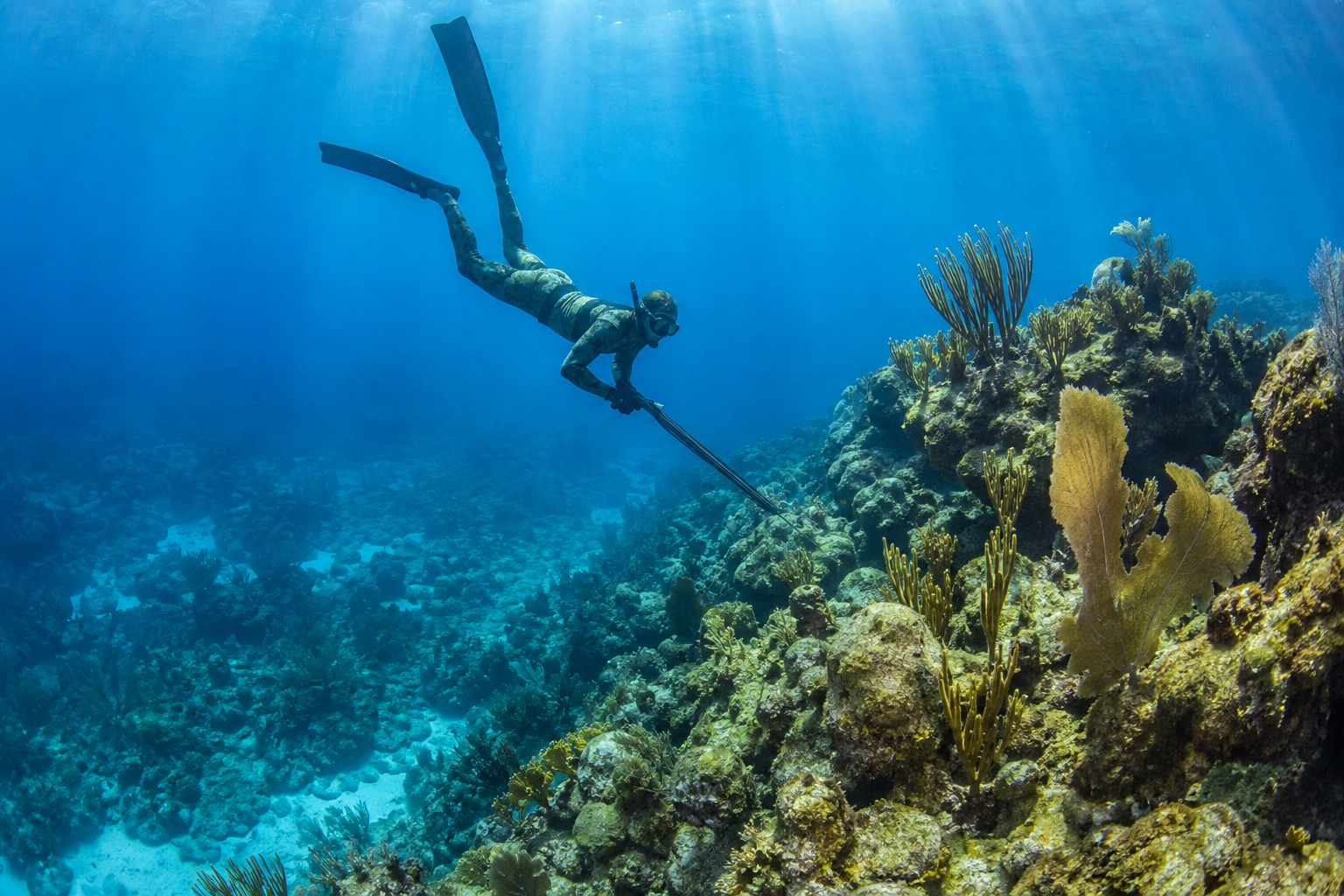
Explore coral heads, edges, and mixed bottom where depth, visibility, protected areas, and legal harvest all matter.
Reef Spearfishing →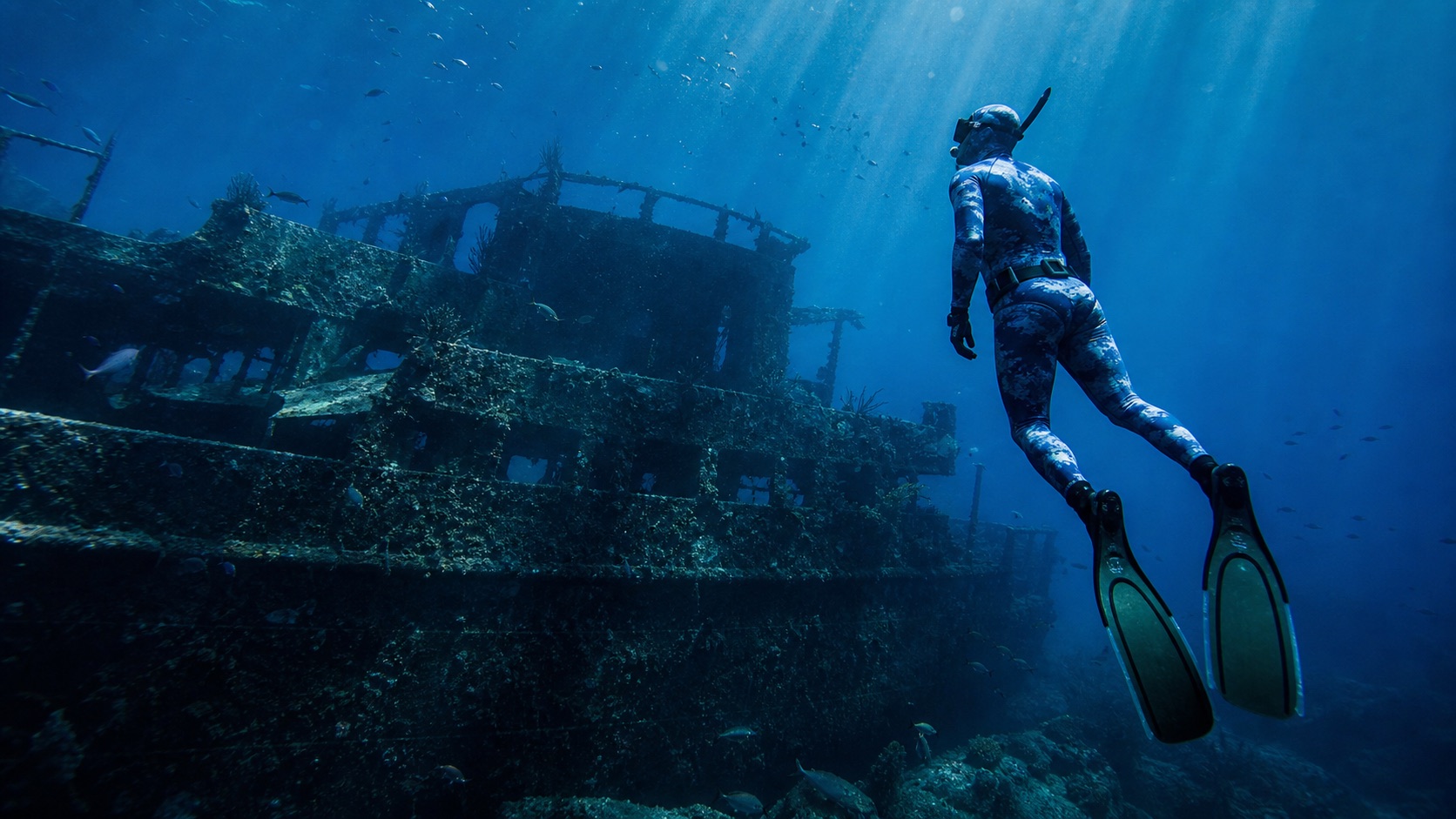
Understand the added depth, current, navigation, and boat-traffic considerations common around wreck sites.
Wreck Spearfishing →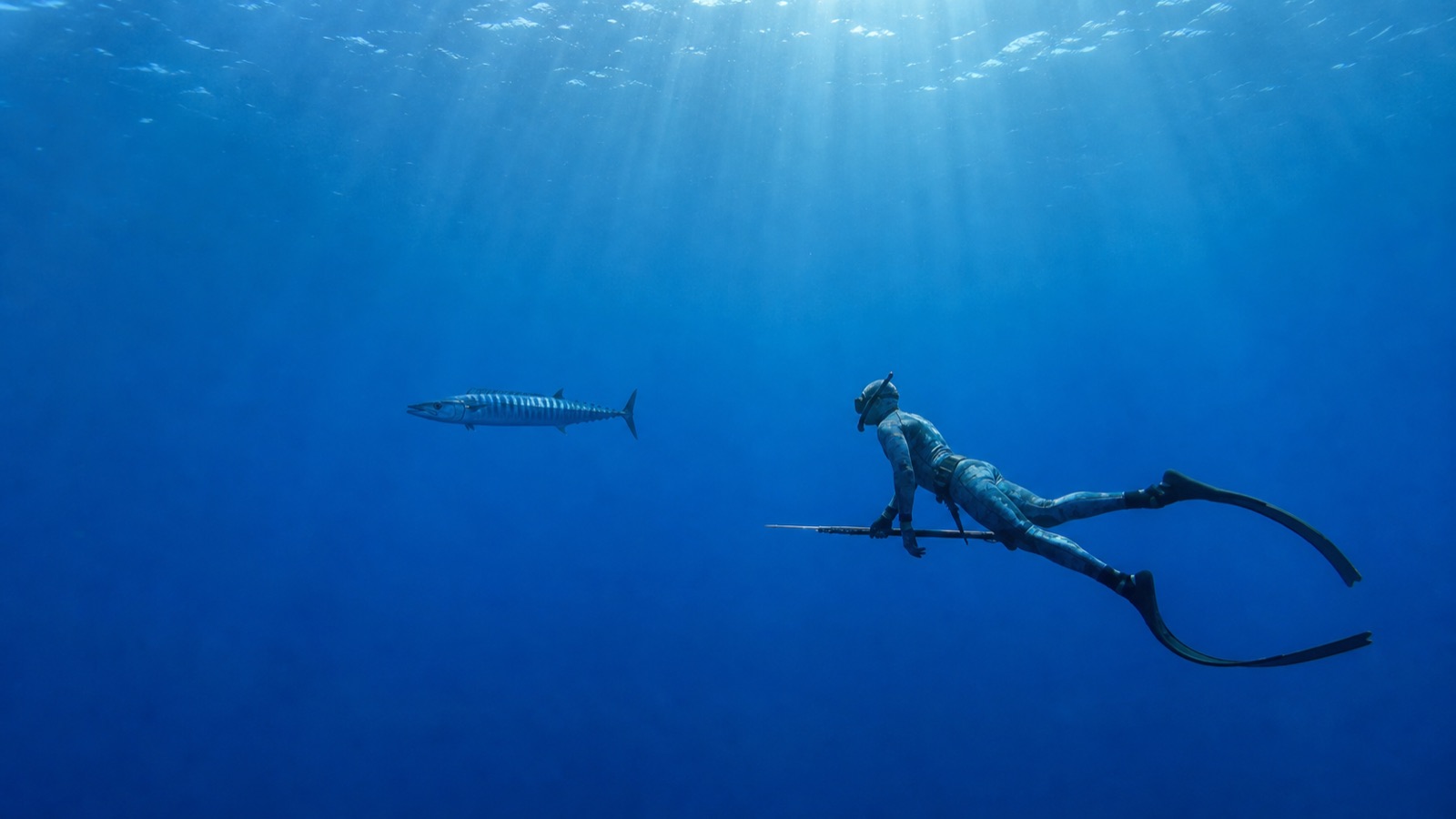
Open-water hunting changes the scale of the day, with pelagic species, greater exposure, and highly variable conditions.
Bluewater Spearfishing →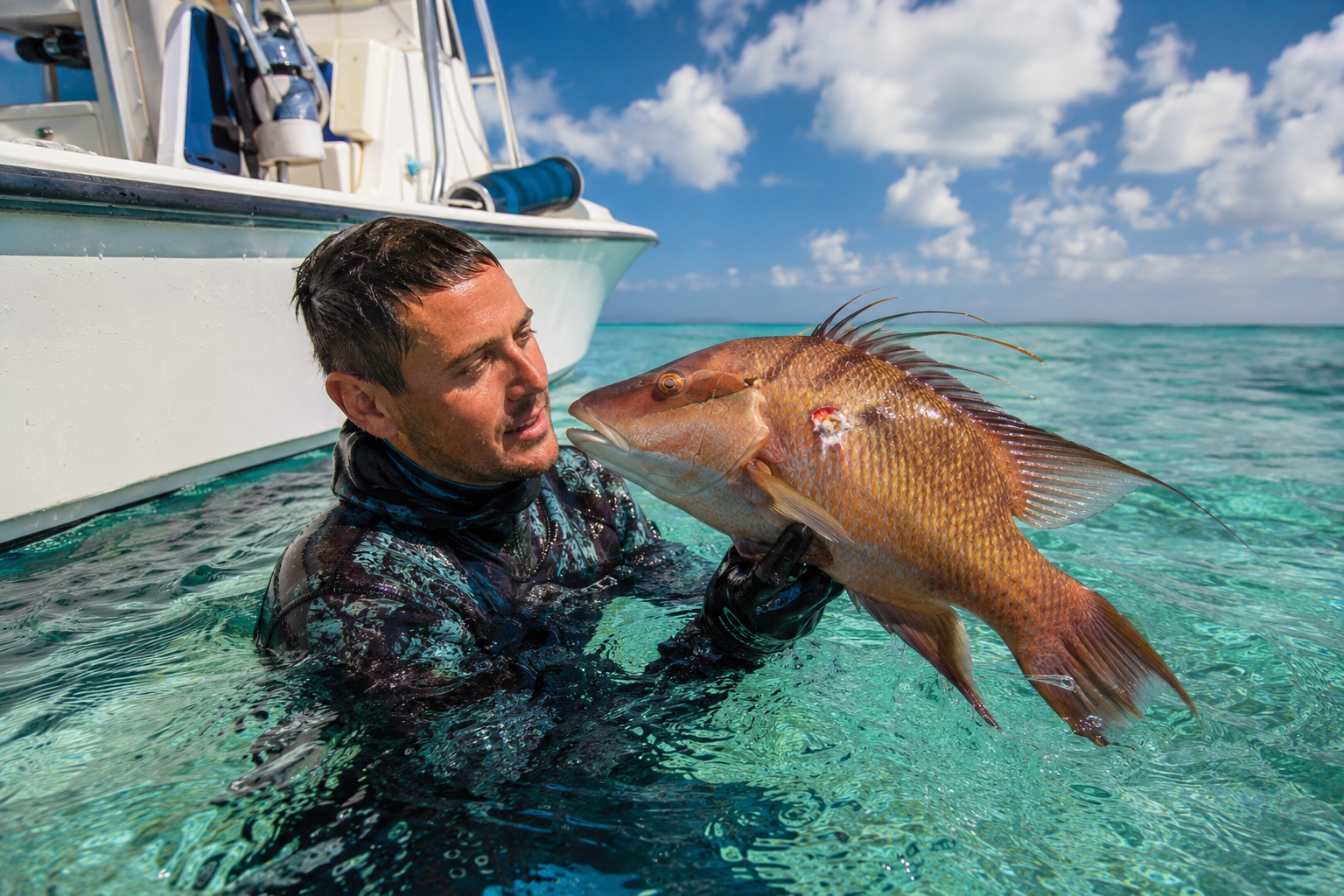
Shallower scattered reef structure can suit varied goals, but local rules, visibility, and current still shape the plan.
Patch Reef Spearfishing →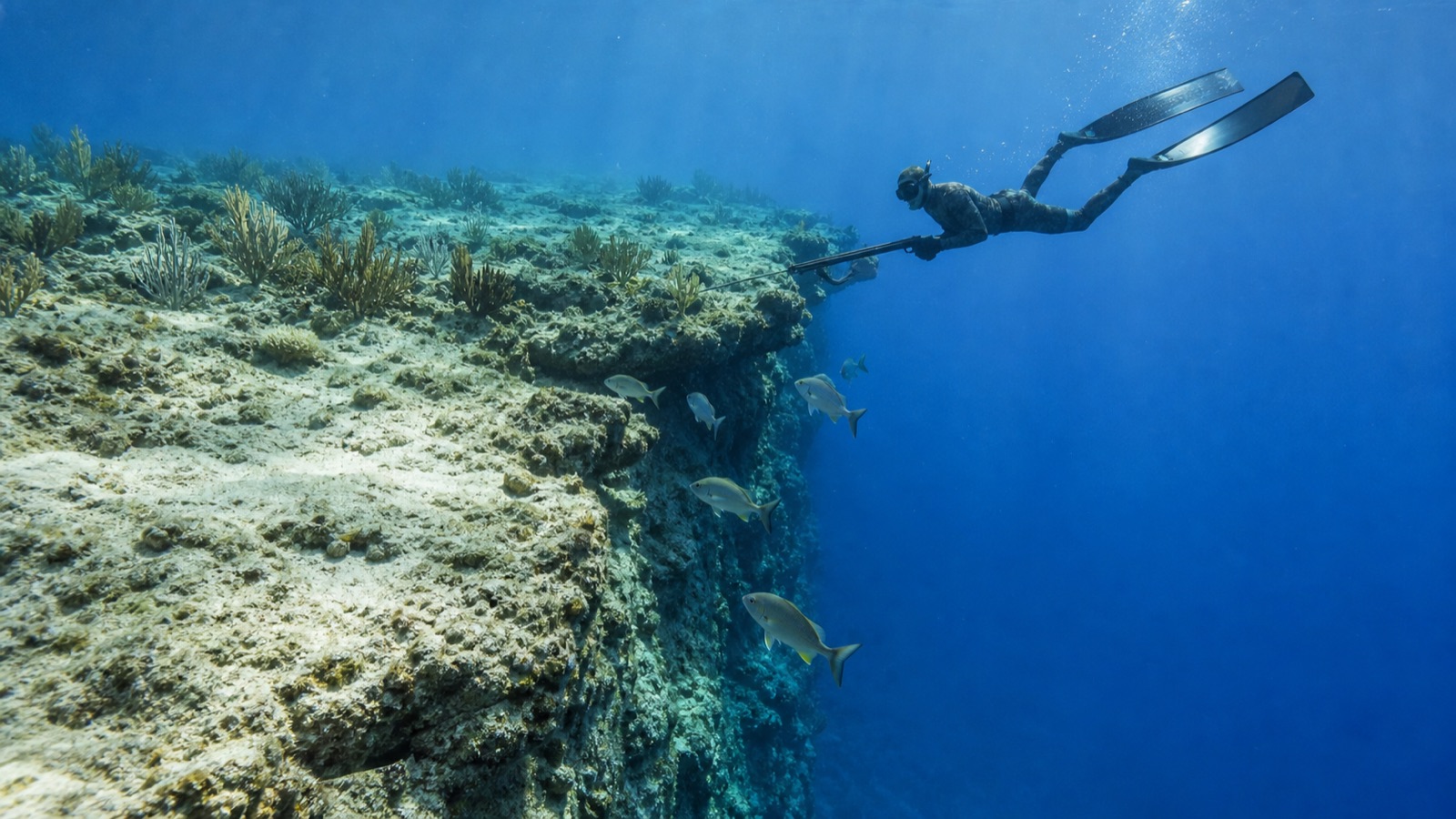
Work relief, drop-offs, and ambush points where depth control, bottom time, and awareness become more important.
Ledge Spearfishing →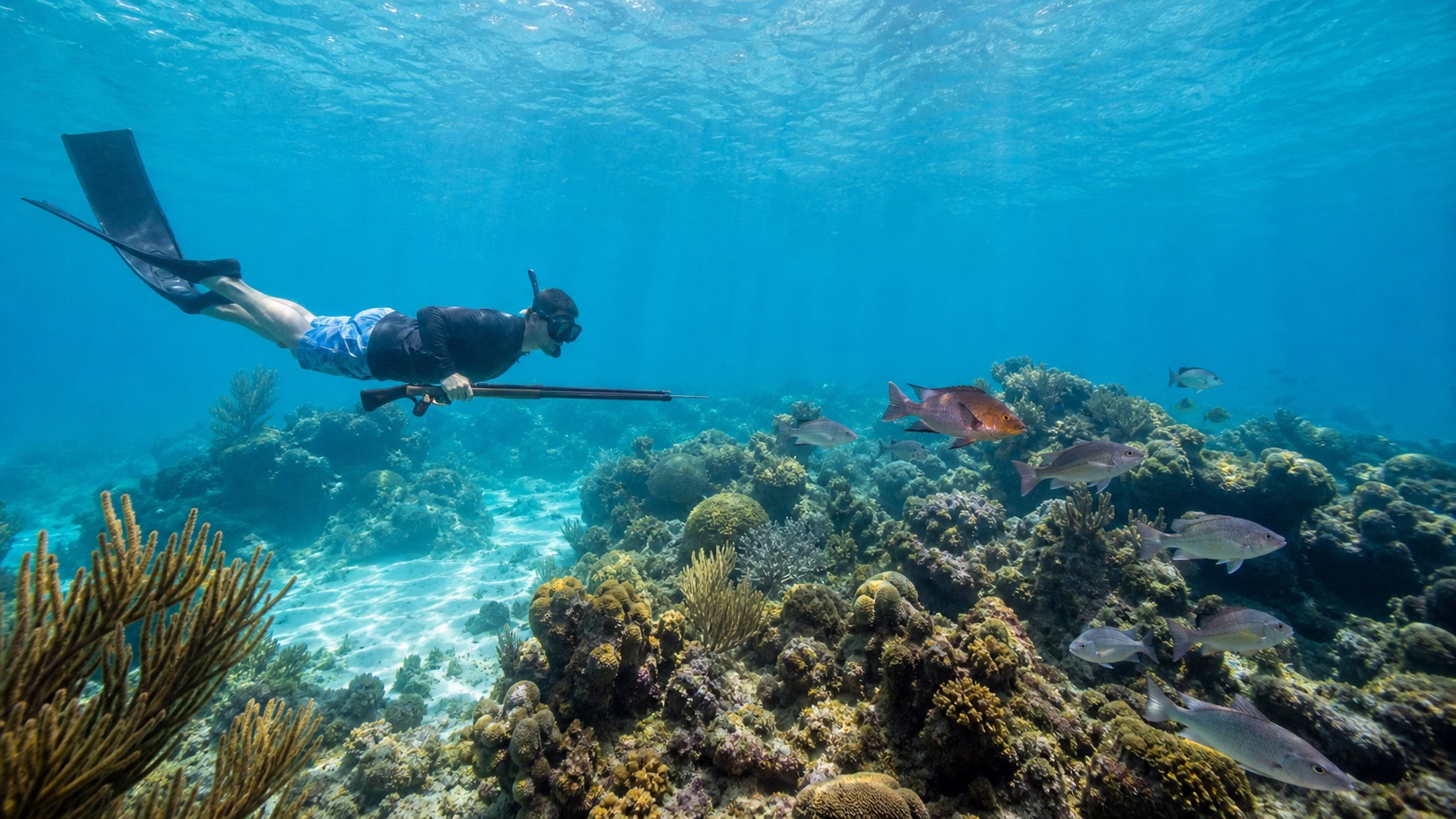
A quiet, breath-hold approach that rewards efficiency, water comfort, disciplined buddy practices, and realistic limits.
Freedive Spearfishing →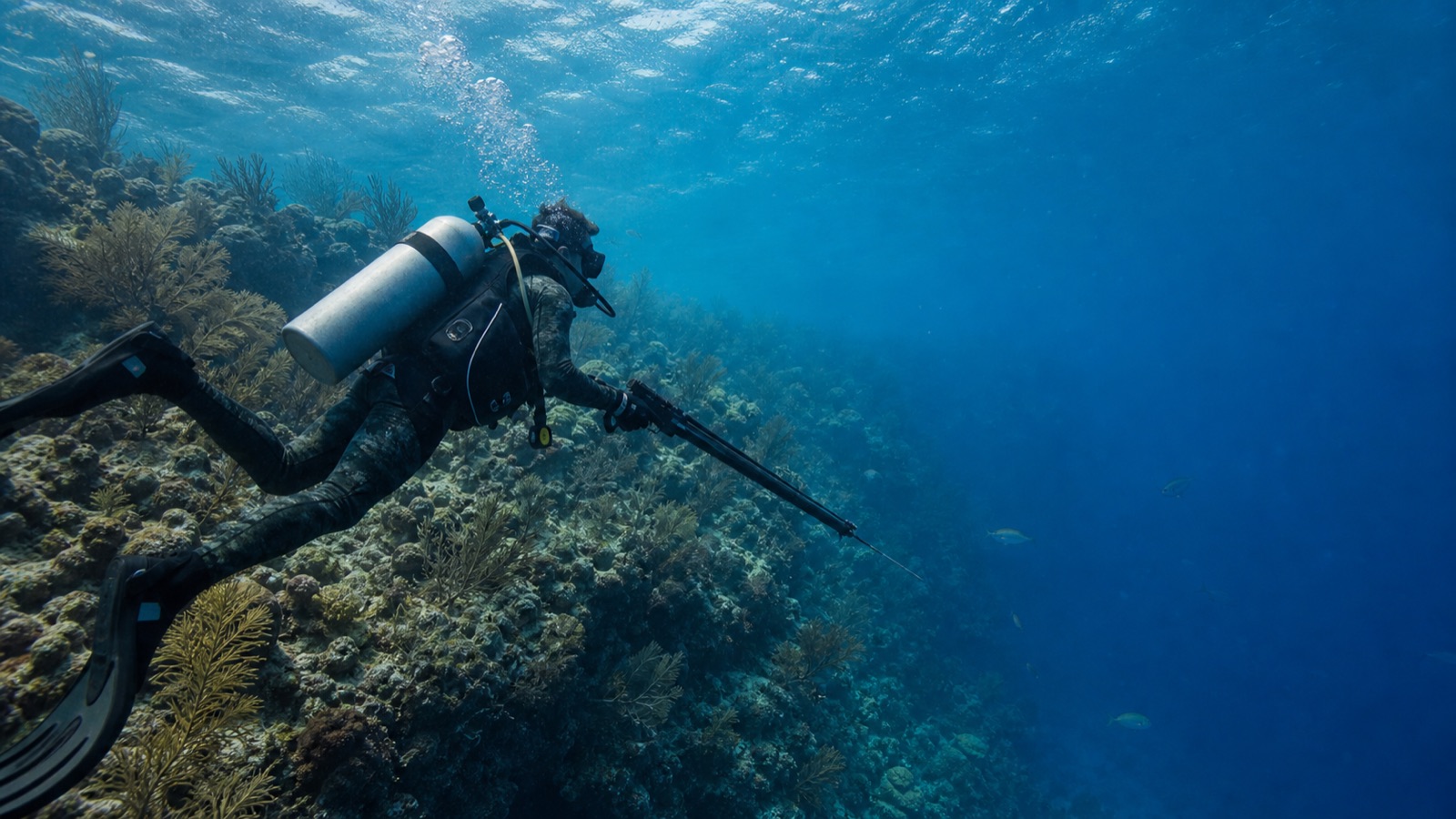
Extended bottom time brings different certification, equipment, depth, ascent, and operator requirements.
Scuba Spearfishing →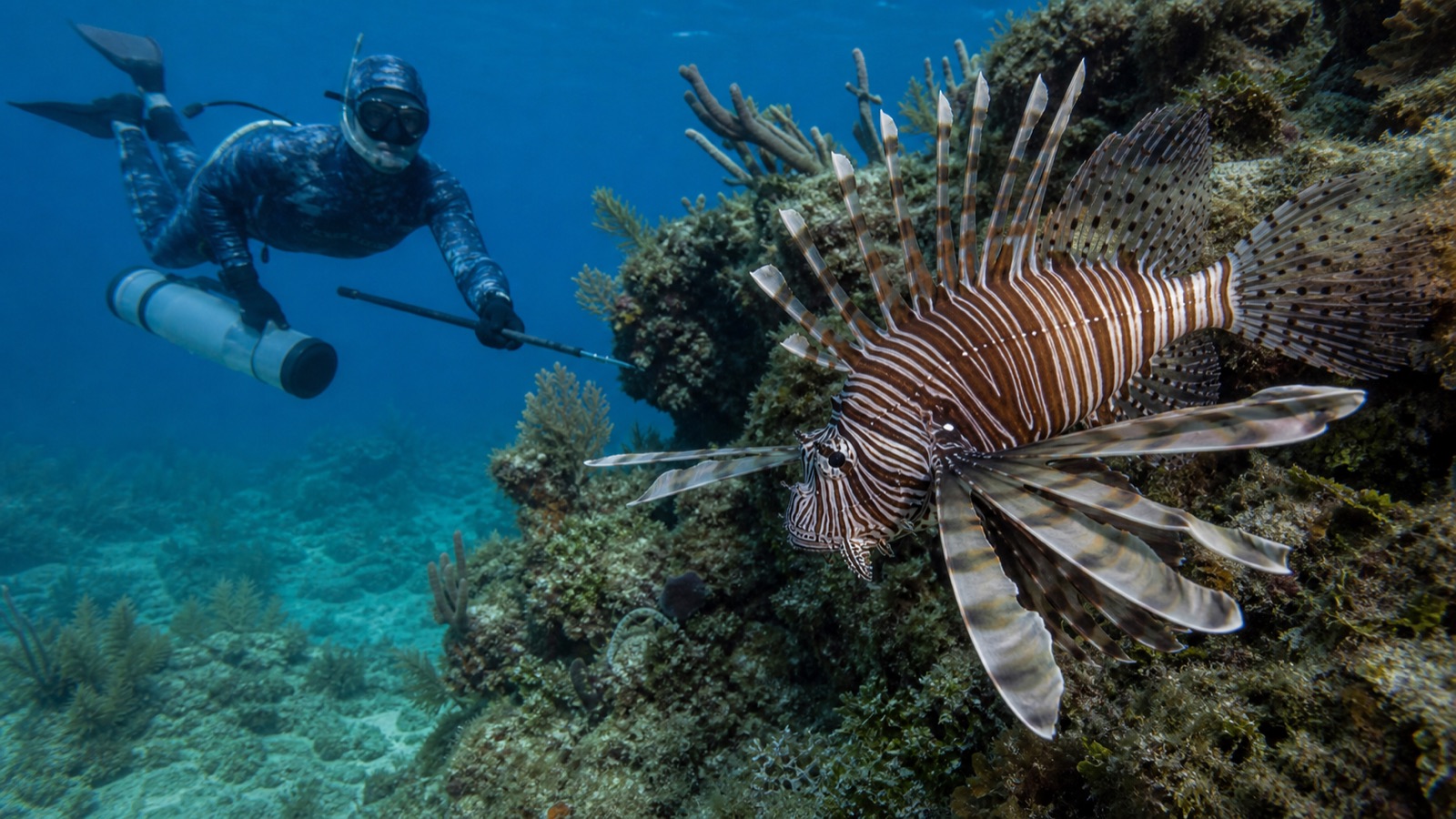
A focused harvest experience built around careful handling, specialized containment, current rules, and conservation.
Lionfish Spearfishing →The best trip type is the one that matches the entire group—not simply the most dramatic option. Be direct about experience, certification, swimming ability, water comfort, and goals.
What depths are typical?
Freedive or scuba?
What conditions change the plan?
What experience is expected?